Restoring Antiques and Heirlooms: Polishing, Plating and Repair
Antique metal restoration for lanterns, copper cookware, brass hardware and family heirlooms: when to keep the patina, and why repair comes before the finish.
Metal repair · · 4 min read · By San Marcos Powder Coating
Antique metal restoration usually comes down to three steps: repair any damage, prep the metal, then choose a finish that suits the piece. Depending on what it is, that finish might be a hand polish, a clear coat, copper or nickel or chrome plating, or powder coating. The right choice depends on the metal, how the piece will be used, and how much of its age you want to keep.
Helping people with pieces that carry sentimental value is a big part of why we do this work at San Marcos Powder Coating. A grandparent's lantern or a set of family cookware cannot be bought anywhere else. Here is how we think through these projects.
Why heirlooms deserve a careful approach
A mass-produced part can be replaced. An heirloom cannot. Before any work starts, we look at what the piece is made of, what condition it is in, and what you want it to look like when it comes home.
Some owners want a piece to look like it just left the factory. Others want it cleaned up but still clearly old. Both are fair goals, and it helps to decide which one you are after before we start, because some steps cannot be undone.
Keep the patina or refinish?
Patina is the darkened, aged surface that builds up on metals like brass, copper and silver over the years. Some people love it. Others see it as dirt.
A few things to think about:
- Value. For some collectible antiques, the original finish is part of what makes the piece valuable. If you think an item may be worth money to collectors, it is a good idea to talk to an appraiser before refinishing.
- Use. A piece that will sit on a shelf can keep its patina. Hardware that gets handled every day or cookware that hangs in a kitchen may be easier to live with once it is refinished and protected.
- Condition. Heavy rust, pitting or flaking plating usually has to come off for the piece to be stable, so keeping the old surface may not be possible.
If you are unsure, send photos and we can talk it through.
Common antique pieces we restore
We take on a wide mix of antique and decorative items:
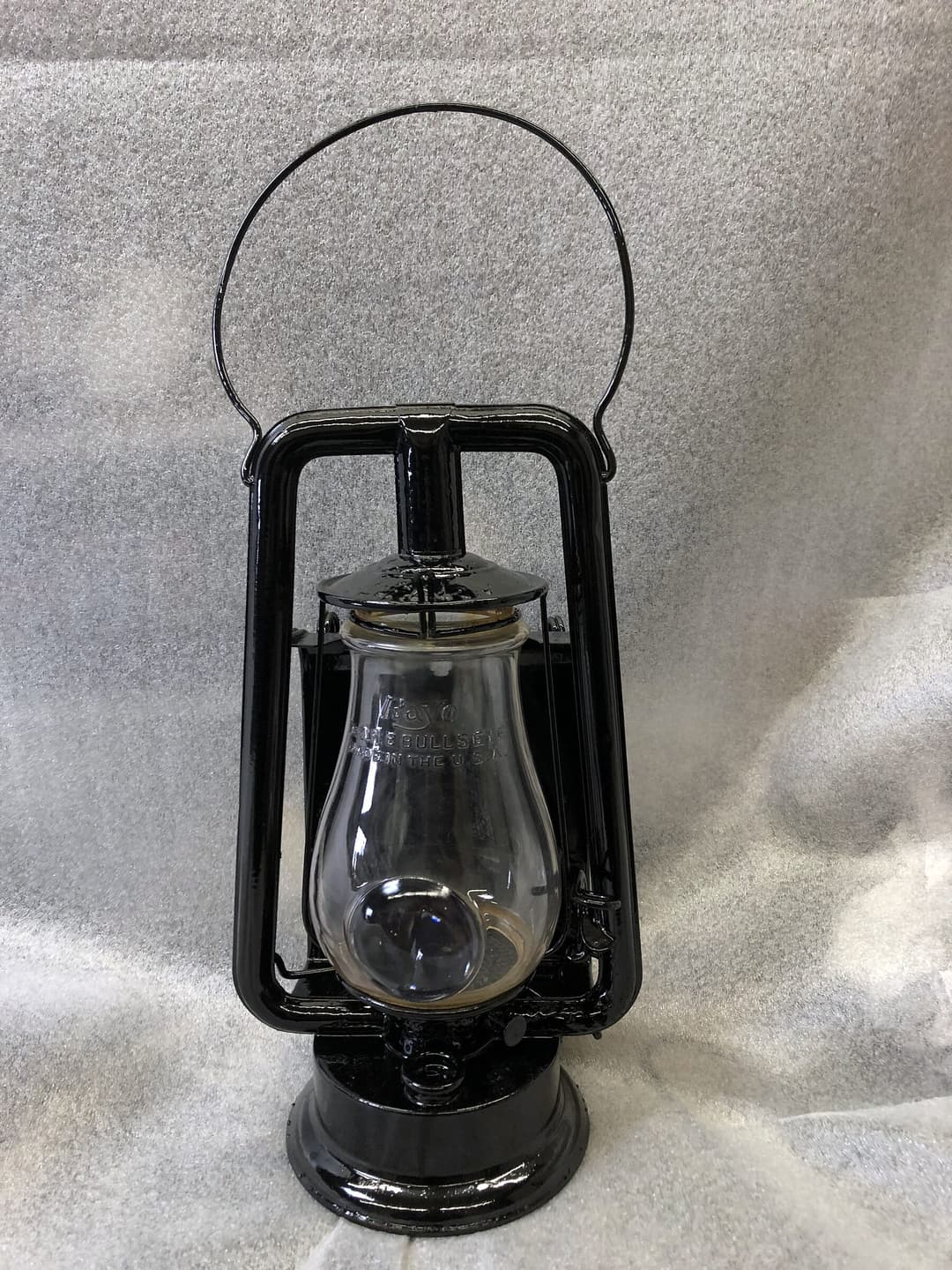
Lanterns. Old lanterns often arrive rusted, dented or missing their original paint. Once the metal is stripped and repaired, powder coating gives a tough, even finish in almost any color. Gloss black is a classic choice, and there are thousands of Prismatic Powders colors if you want something else. See our powder coating colors page for ideas.
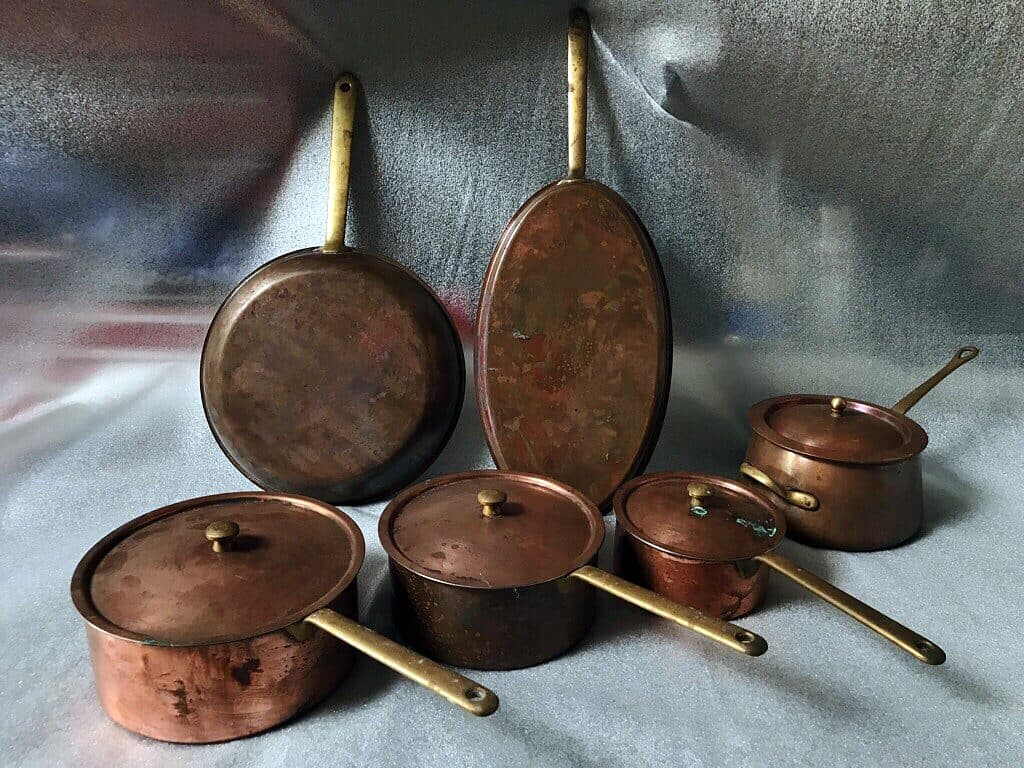
Copper cookware. Copper pots and pans polish up to a warm glow. For display pieces we typically suggest a clear coat so the color does not darken again right away.
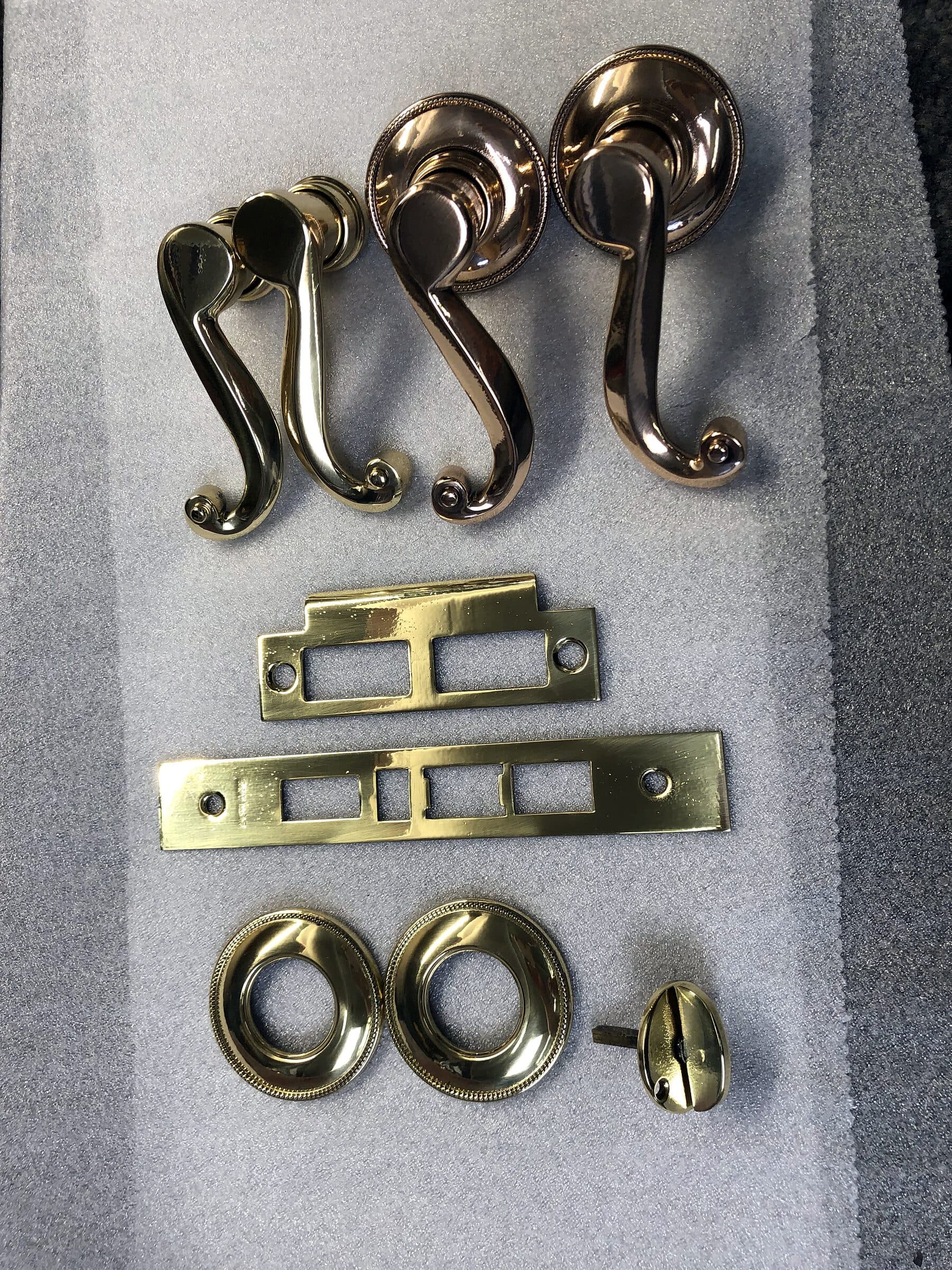
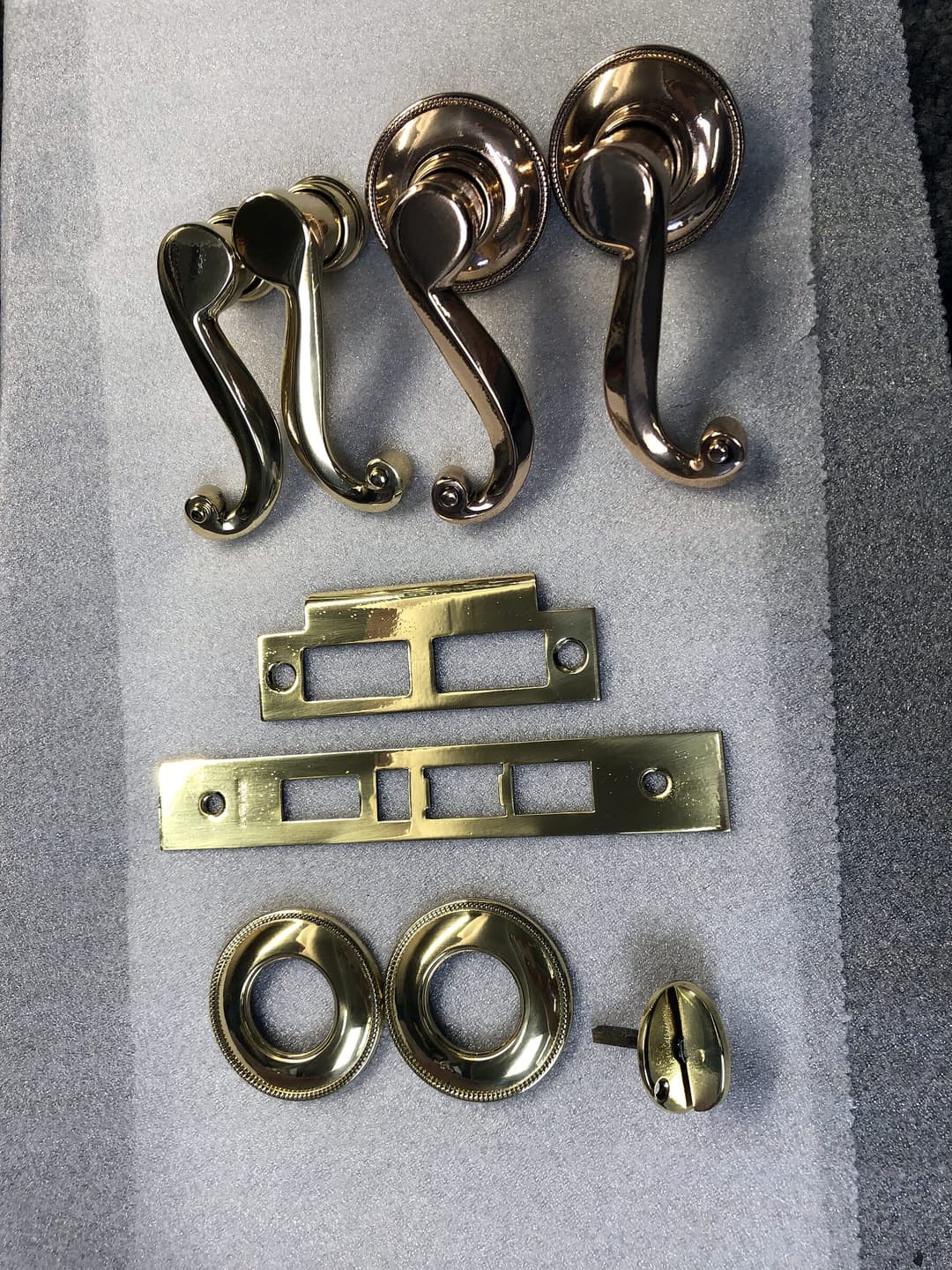
Brass hardware and fixtures. Door hardware, chandelier arms, light fixtures and trim can be polished and clear coated, or plated in brass, nickel or chrome for a fresh look. Our post on brass, copper and nickel plating for home hardware goes deeper on those choices.
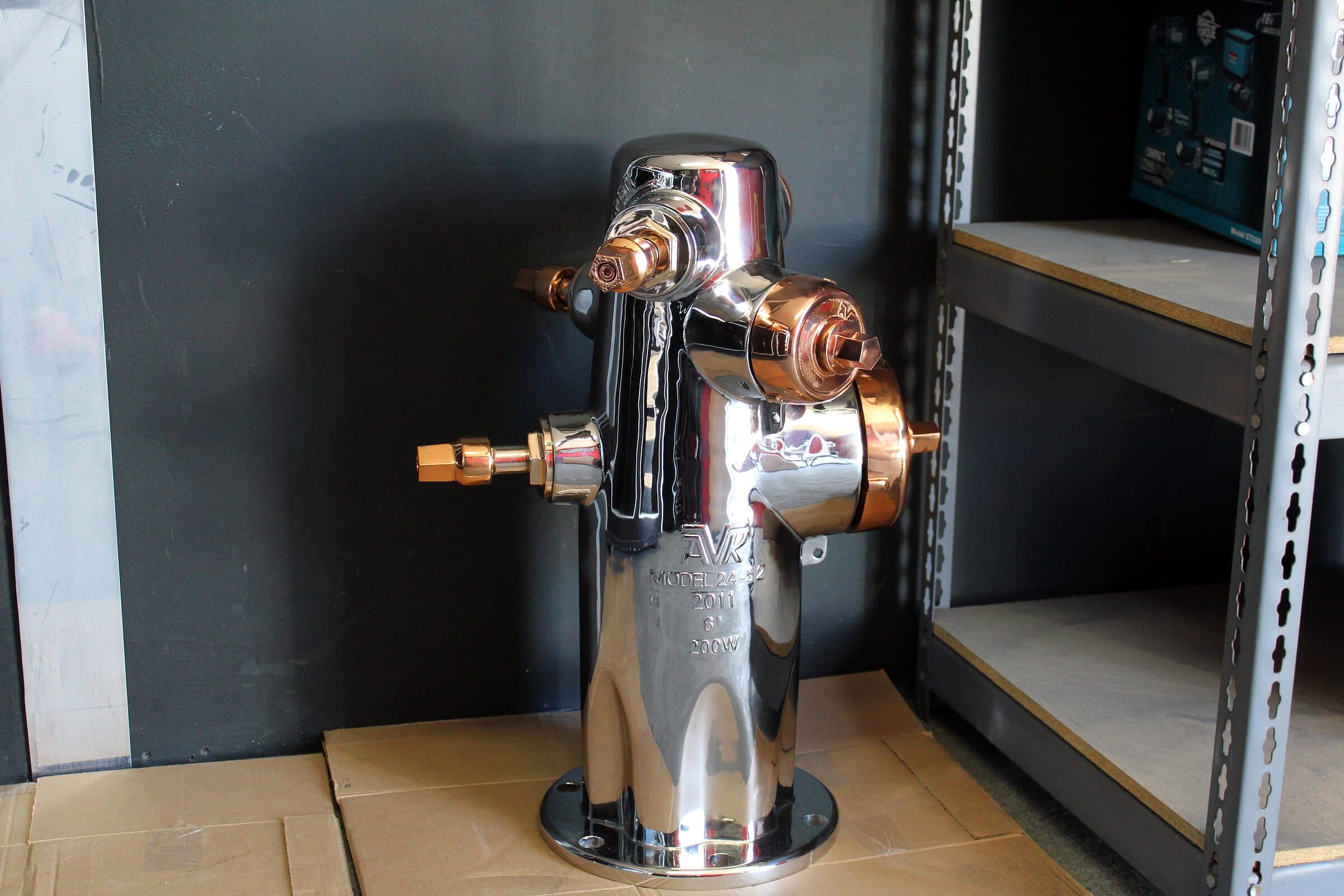
Larger objects. We also see bigger items, like a fire hydrant polished and chromed with copper-plated fittings. If it is metal and it matters to you, it is worth asking.
Repair first, then finish
Every finish shows what is underneath it. A dent, crack or pit that is left in the metal will show through chrome or break up a mirror polish. That is why repair always comes first.
Our metal repair work covers the kinds of damage antiques tend to have:
- Brazing and soldering broken joints and seams
- Welding cracks and broken tabs
- Straightening bent trim and removing dents
We work on aluminum, magnesium, pot metal, brass, copper and steel. Pot metal is common in older decorative pieces and trim and needs a careful hand.
Because repair, polishing, plating and powder coating all happen in the same shop, a piece does not have to travel between vendors. Once it is repaired, it goes straight on to polishing, chrome and plating or powder coating.
Choosing the finish
Once the piece is sound, here is how the finish options usually break down:
- Polish only for aluminum, stainless, magnesium and silver, which hold a shine without coating.
- Polish and clear coat for copper and brass, so the color stays put.
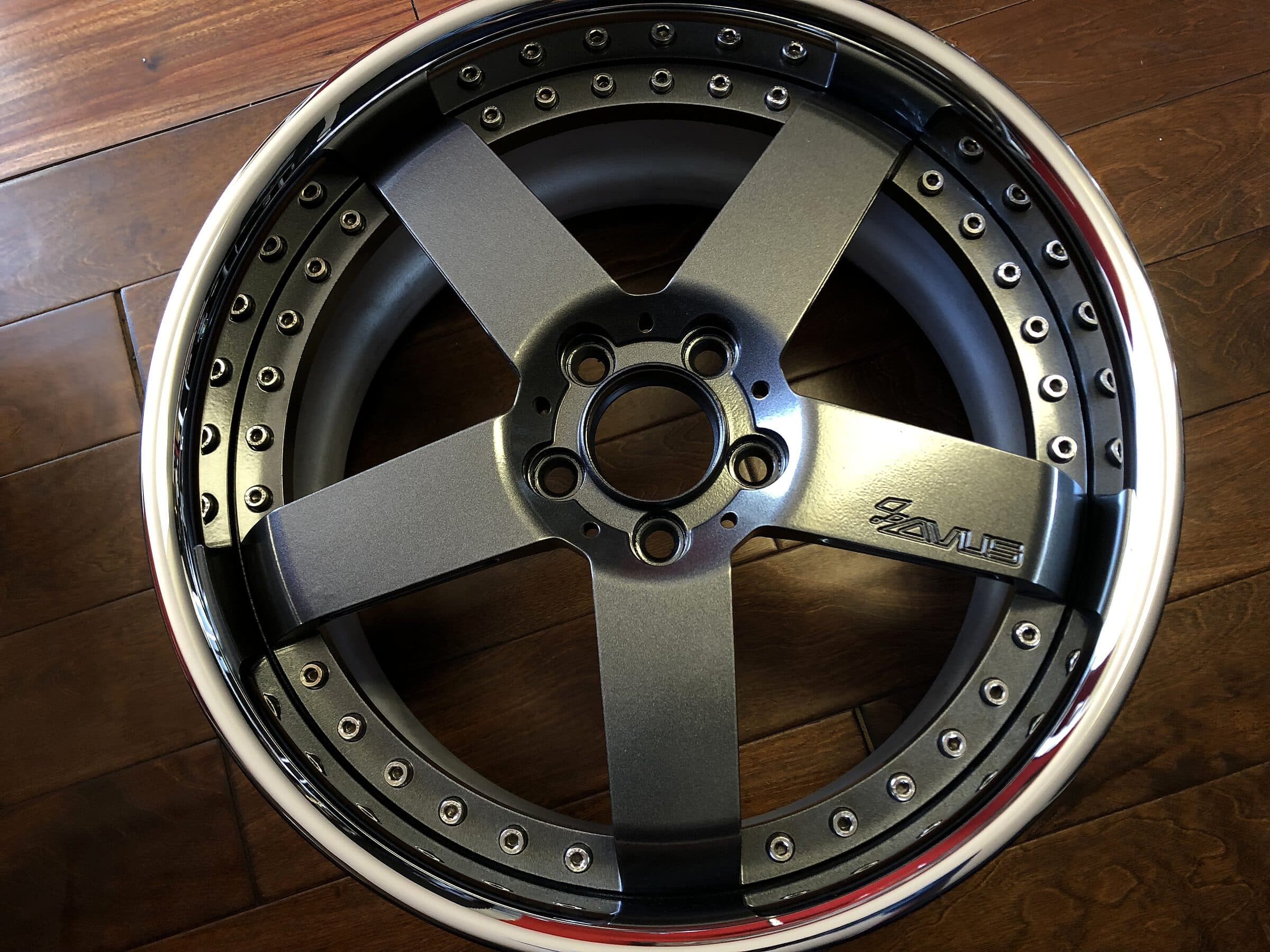
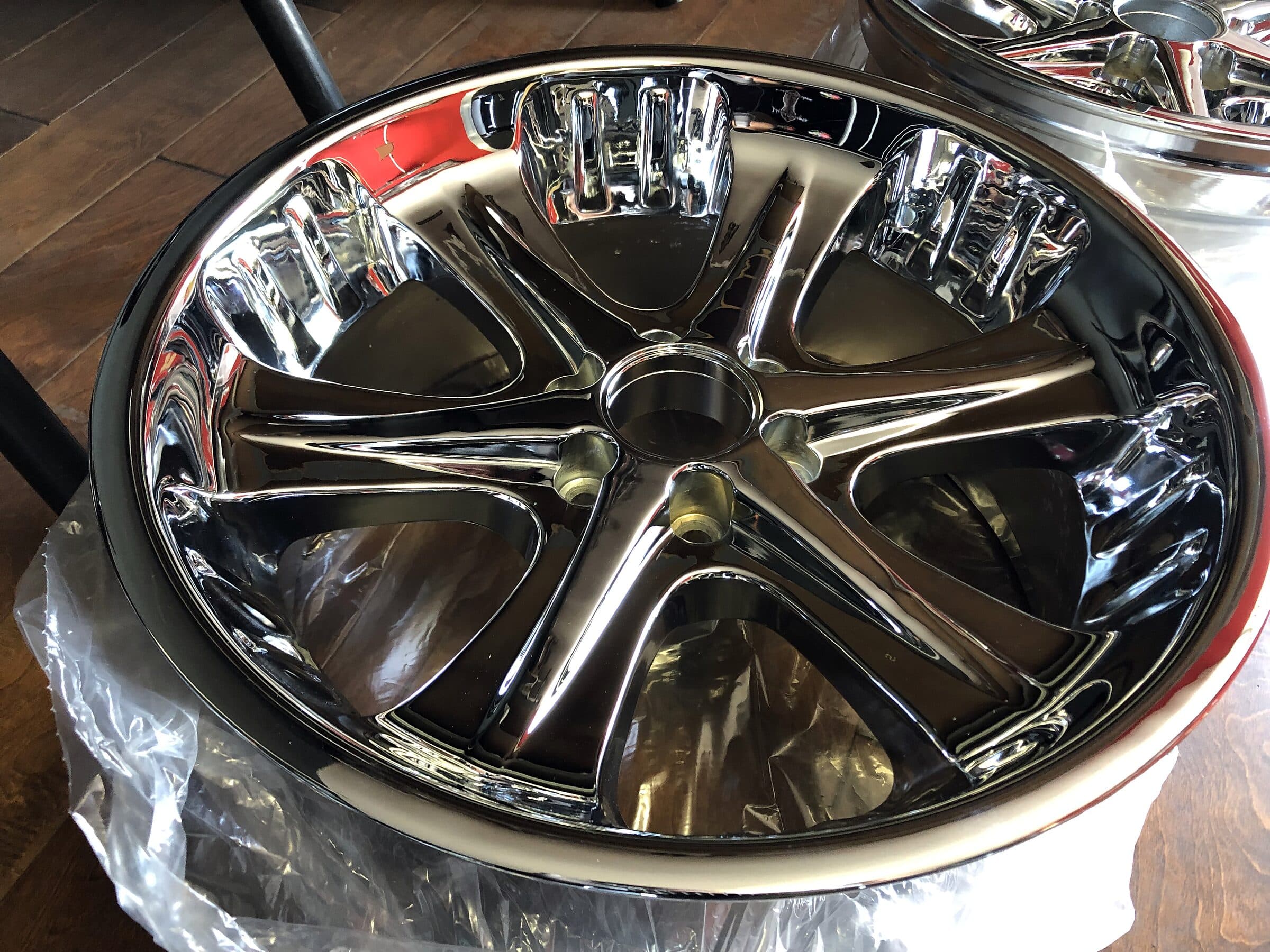
- Plating in copper, nickel, brass, chrome or triple chrome when you want a new surface layer or a different metal color.
- Powder coating for a durable color finish on steel and aluminum pieces like lanterns and outdoor decor.
Plated finishes can be mirror, satin, brushed, line grained or sandblasted. Our post on which metals can be polished explains how each metal behaves.
Caring for restored pieces
Simple care goes a long way. Dust with a soft cloth, wash with mild soap and water when needed, and dry right away. Avoid abrasive cleaners and scouring pads. On clear-coated pieces, skip metal polish, since it can wear through the clear coat.
Get a quote
Have a family piece that needs some love? Call us at (760) 752-9825 or send photos through our quote form. We are in San Marcos and help people from all over North County San Diego bring their heirlooms back. You can also see more restored pieces in our gallery.